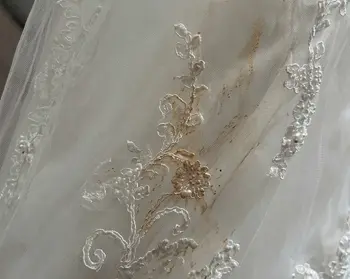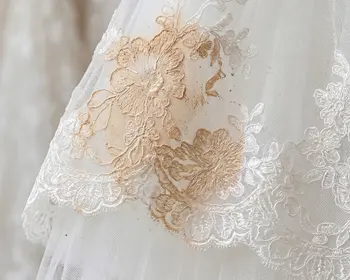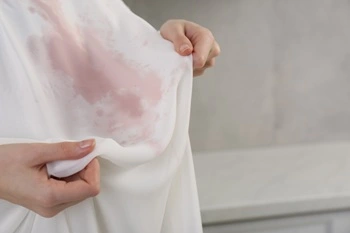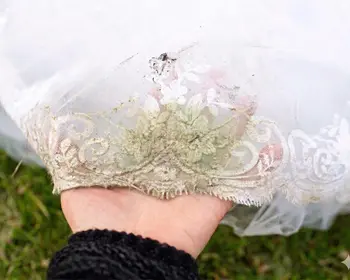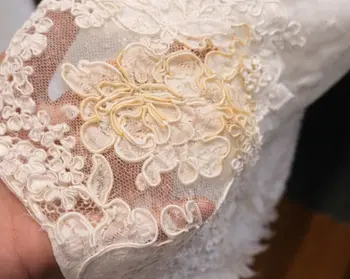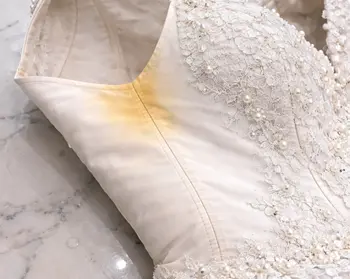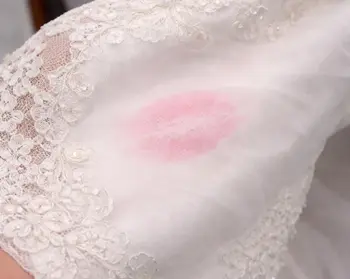
A wedding day is full of unforgettable moments. But by the time the celebrations end, many brides notice something else: their gown has picked up a few marks from the day – a little dirt on the hem, makeup around the neckline, or a splash of champagne during the reception are all extremely common. In fact, almost every gown worn for a full wedding day will have at least one common stain on a wedding dress, even if it’s not immediately visible.
Â
The good news is that most of these marks can be safely removed with professional bridal cleaning. Specialists understand how delicate fabrics behave and use carefully controlled methods to lift stains while protecting lace, silk and embellishments.
Â
So what is the most common stain on a wedding dress, and how do professionals remove them?
What is the Most Common Stain on a Wedding Dress?
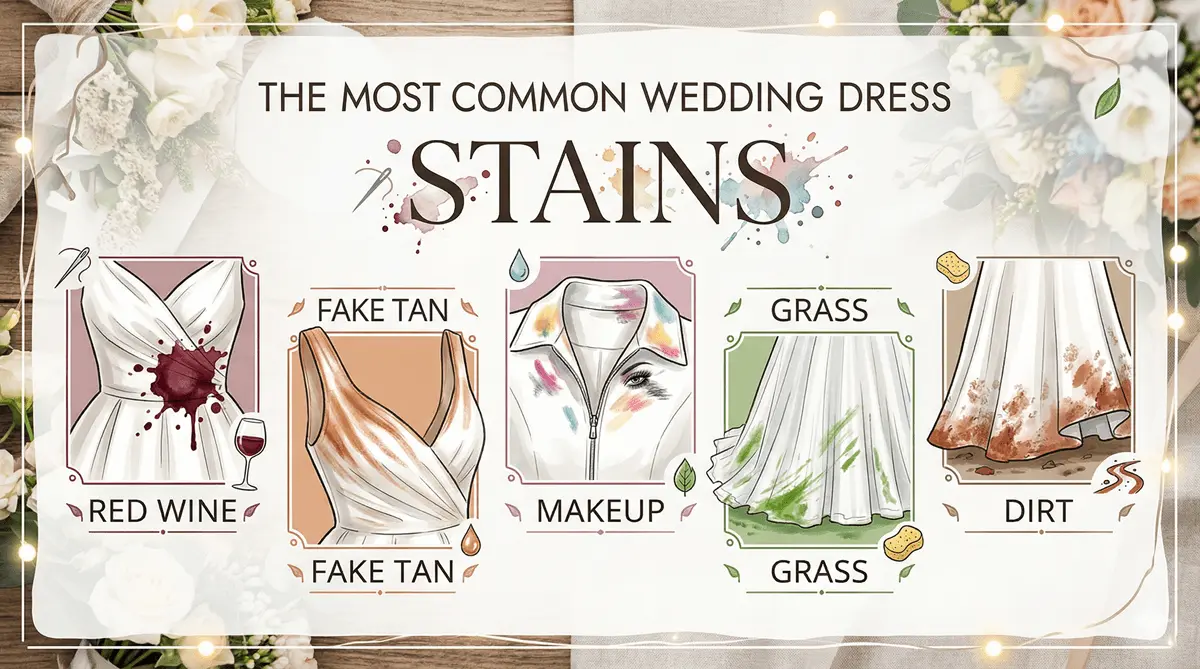
There isn’t just one answer. Instead, wedding dresses usually collect a combination of stains throughout the day. The most common include:
- Fake tan
- Makeup and foundation
- Red wine
- Grass and dirt
- Champagne and sugary drinks
- Perspiration and body oils
- Lipstick
Some stains are obvious straight away. Others remain invisible until weeks or even months later.
For example, champagne, sugar and body oils often dry clear. Over time, however, they oxidise and turn yellow or brown on white fabrics.
That’s why professional cleaners recommend arranging a professional dry clean for wedding gowns within four to six weeks after the wedding. Early treatment gives the best chance of completely removing stains before they set permanently.
How Professionals Remove Common Wedding Dress Stains
Fake Tan Stains
Fake tan has become one of the most common bridal stains in recent years.
Spray tans contain DHA (dihydroxyacetone), a chemical that reacts with fabrics in a similar way to how it reacts with skin. This can leave orange or brown marks on wedding dresses, particularly around:
- Bodices
- Underarms
- Straps
- Inside the neckline
Because the stain forms through a chemical reaction, fake tan can be more difficult to remove than many other marks.
How Professionals Remove Fake Tan
Professional cleaners treat fake tan using specialised oxidation treatments designed specifically for DHA stains. This usually involves:
Â
- Testing fabric compatibility
- Applying enzyme-based stain solutions
- Carefully neutralising oxidation reactions
When treated early, fake tan stains can often be reduced significantly, with removal rates typically between 80% and 90%.
Makeup and Foundation
Makeup stains are another extremely common stain on wedding dress fabrics.
Â
They often appear around the neckline or straps where foundation transfers onto the gown during the ceremony or reception. Veils can also collect makeup when they brush against the face.
Â
Because most cosmetics contain oils, pigments and waxes, they require specialised treatment.
Professional Treatment Process
Professional bridal cleaners usually remove makeup stains in stages:
Â
- Oil-solvent pre-treatment to dissolve cosmetic oils
- Gentle agitation to loosen pigment particles
- Controlled solvent cleaning to remove residue
When handled professionally, most makeup stains respond very well to treatment, with removal rates often around 90-96%.
Red Wine
Red wine is one of the most noticeable stains that can appear during a wedding reception.
Wine contains natural pigments and tannins that bond quickly with fabric fibres, especially natural materials like silk.
How Professionals Treat Wine Stains
Specialist cleaners typically remove red wine stains using:
- Acid-based stain treatments
- Cold rinsing to prevent pigment setting
- Controlled solvent cleaning
When treated within several weeks of the wedding, wine stains are usually removed successfully.
Grass and Dirt
Outdoor ceremonies and garden venues often leave their mark on the hem of a wedding dress.
Walking across lawns, posing for photos in gardens or dancing outdoors can easily transfer grass and soil onto the gown.
Â
Although these stains may look dramatic, they are often among the easiest to remove professionally.
Professional Cleaning Method
Specialist cleaners generally begin by:
Â
- Dry brushing the hemline to remove loose soil
- Using solvent cleaning to break down organic matter
- Applying gentle agitation to lift embedded dirt
Most grass and dirt stains can be removed with very high success rates, particularly when cleaned soon after the wedding.
Champagne and Sugary Drinks
Champagne is a staple of wedding celebrations. But unlike wine or makeup, champagne often dries completely clear. This makes it easy to miss when inspecting the dress after the wedding.
However, sugar residues slowly oxidise over time and may turn yellow on white fabric.
Professional Treatment
Professional cleaners treat champagne stains using:
- Sugar-dissolving solutions
- Anti-oxidation rinses
- Fabric-safe washing methods
Â
When addressed early, champagne stains usually have a very high removal success rate.
Perspiration and Body Oils
Another stain many brides don’t realise is present comes from natural body oils and perspiration.
These marks typically appear in areas where the gown sits closely against the body, such as:
Â
- Underarms
- Back panels
- Waistlines
- Inside bodices
At first these stains may not be visible, but over time they can oxidise and turn yellow.
How Professionals Remove Perspiration Stains
Professional cleaners typically use:
Â
- Enzyme-based pre-treatments
- pH-neutral detergents
- Controlled wet cleaning techniques
When cleaned early, perspiration stains can usually be removed before yellowing occurs.
Lipstick
Lipstick stains are another small but frequent issue, especially during hugs and congratulations from guests.
These stains combine wax, oils and pigments, which means they require targeted treatment.
Professional Removal Process
Specialist cleaners dissolve lipstick stains using wax-specific solvents before performing gentle stain removal treatments.
With professional cleaning, lipstick stains are usually removed successfully in most cases.
Why Wedding Dresses Need Specialist Cleaning
Wedding gowns are far more delicate than everyday clothing. Many dresses combine several fabrics in a single garment, including:
Â
- Silk
- Lace
- Tulle
- Satin
- Organza
- Beading or embroidery
Each fabric reacts differently to cleaning solutions, moisture and temperature.
For this reason, wedding dresses should never be placed in a standard washing machine or cleaned using regular household products.
Â
Professional bridal cleaners carefully inspect each gown and select the safest method, which may include:
Â
- Solvent-based dry cleaning
- Gentle wet cleaning
- Hand spot treatments for individual stains
This tailored approach allows stains to be removed while protecting delicate fabrics and embellishments.
Why Timing is So Important
Many brides ask whether they can wait months or even years before cleaning their gown.
While some stains may still be removable later, earlier cleaning greatly improves results.
Over time, stains can:
- Oxidise and darken
- Bond permanently with fibres
- Cause long-term fabric damage
Restore Your Wedding Dress With Expert Care
Your wedding dress holds memories of one of the most meaningful days of your life. From the ceremony to the last dance, every moment becomes part of its story.
Â
But stains, even the invisible ones, can damage delicate fabrics if they are left untreated.
Professional bridal cleaning safely removes these marks while protecting lace, silk and embellishments, helping restore your gown to beautiful condition.
Bridal Dry Cleaning Experts specialise in wedding dress cleaning and preservation for Sydney brides. With more than 25 years of experience, their team understands exactly how to care for delicate bridal gowns.
Book a dry clean for your wedding gown in Sydney today or request a free quote to have your dress professionally cleaned, restored and preserved for years to come.
Our professional bridal cleaning services often provide convenient pickup and return delivery across Sydney, including suburbs such as Parramatta, Ryde, St Clair, Wetherill Park, and Leichhardt.
Skip to content